Stephanie Klarmann & Gabby Sykora
This blog brings together perspectives from Youth for Lions and the youth conservation storytelling space of Young Wildlife Photographers of Southern Africa, exploring how modern media is shaping our relationship with wildlife.
“Perfect” wildlife portrayals
Lately, something has shifted in social media’s depictions of wildlife experiences. So much of the content we consume has a certain feeling of being too perfect or too good to be true. It feels as if wildlife experiences have leveled up and tourists are seeking experiences greater than before.
A significant amount of this content isn’t even real — it’s AI generated and becoming more and more difficult to discern. Even in some cases when the content is obviously AI generated, fake imagery is not harmless. It shapes how we think about wildlife, how we believe animals should behave, and how we should be experiencing them.
In this blog we’re honing in on AI generated imagery depicting close human interactions with captive predators, a trend that is driving demand for real-life captive wildlife experiences.
What AI doesn’t understand about wildlife
AI generated imagery is essentially a reflection of fantasy rather than reality. Animals tend to be shown unnaturally close to people and behaving in ways that do not reflect their true nature. For those viewing AI generated videos or images that appear real, it can alter the way we see human-animal relationships and our behaviour in search of equally awe-inspiring moments in an imperfect world.
But, it’s important to know that we easily form “mental models” when we are repeatedly exposed to similar portrayals, which reinforces the idea that close encounters with wildlife are normal, even desirable. Unfortunately social media trends and viral content create unrealistic and dangerous ideas about what tourists can expect on their travels.
What makes this issue even more complex is that perception doesn’t just influence individual choices, it shapes entire industries. When these kinds of wildlife interactions become normalised, especially through content that feels exciting and aspirational, they don’t exist in isolation. They begin to shape our own expectations.
Where there is expectation, there is demand. And this is how exploitative wildlife experiences continue to exist.
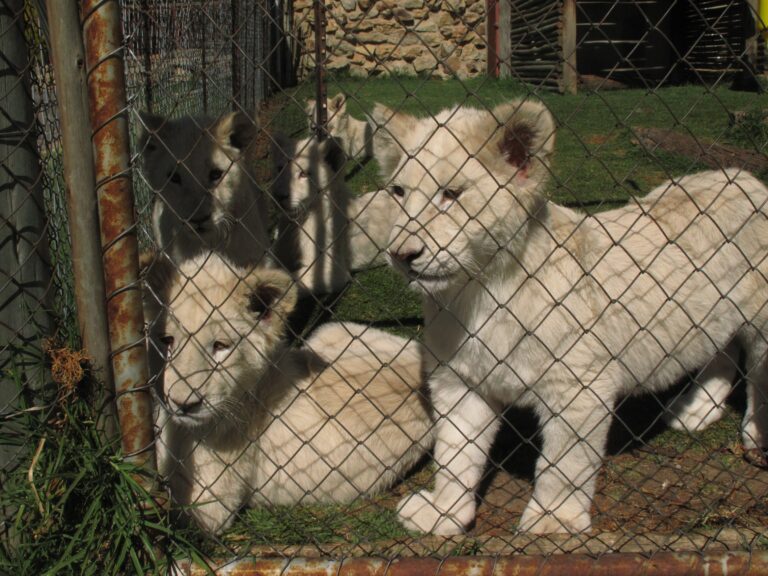
Facilities offering cub petting, walking with predators, and close-contact encounters rely on a steady flow of visitors who believe these experiences are not only acceptable, but desirable. And that belief is usually formed long before someone even books a trip, through the content they consume online.
It’s a cycle that’s easy to overlook, especially when we’re constantly surrounded by content that feels extraordinary.
Content shapes expectations.
Expectations drive behaviour.
Behaviour fuels demand.
And demand sustains exploitation.
The more we’re exposed to these kinds of unrealistic wildlife imagery, the more they begin to feel normal. And over time, that can quietly shift what we think wildlife experiences should look like, even if it doesn’t reflect reality or what is ethical.
The Hidden Reality AI Doesn’t Show
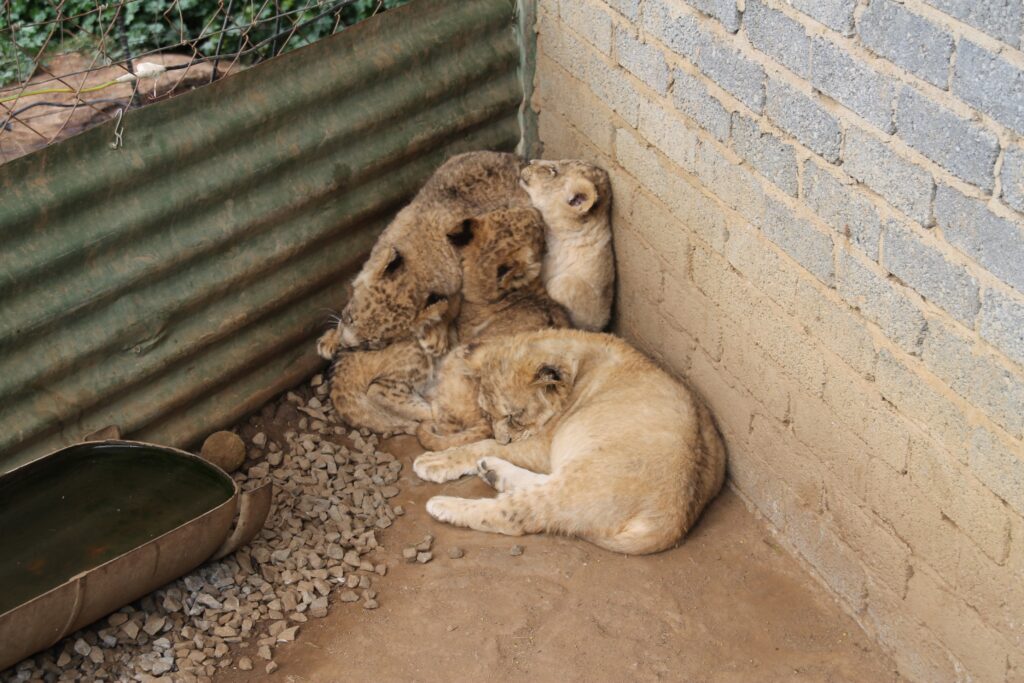
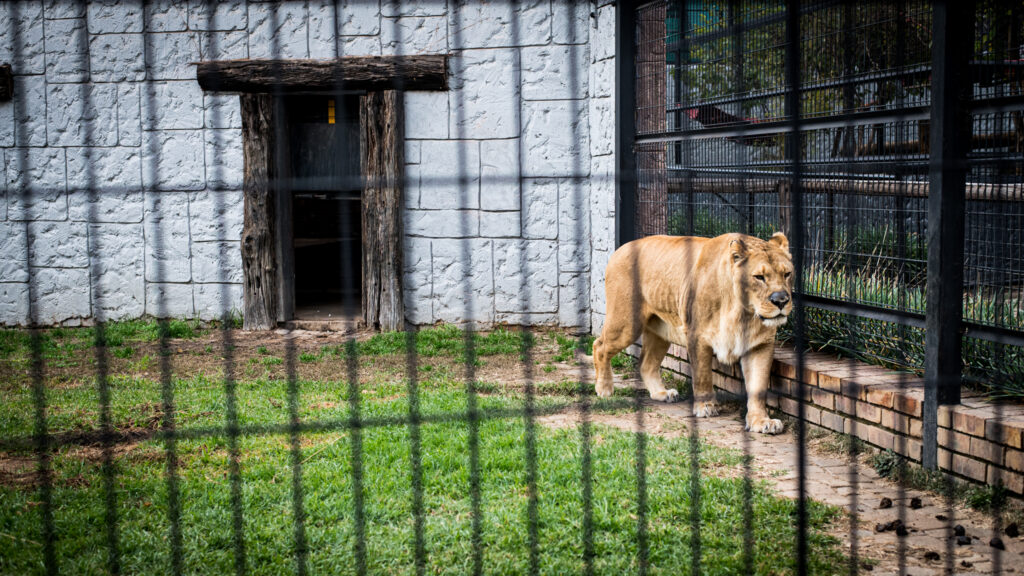
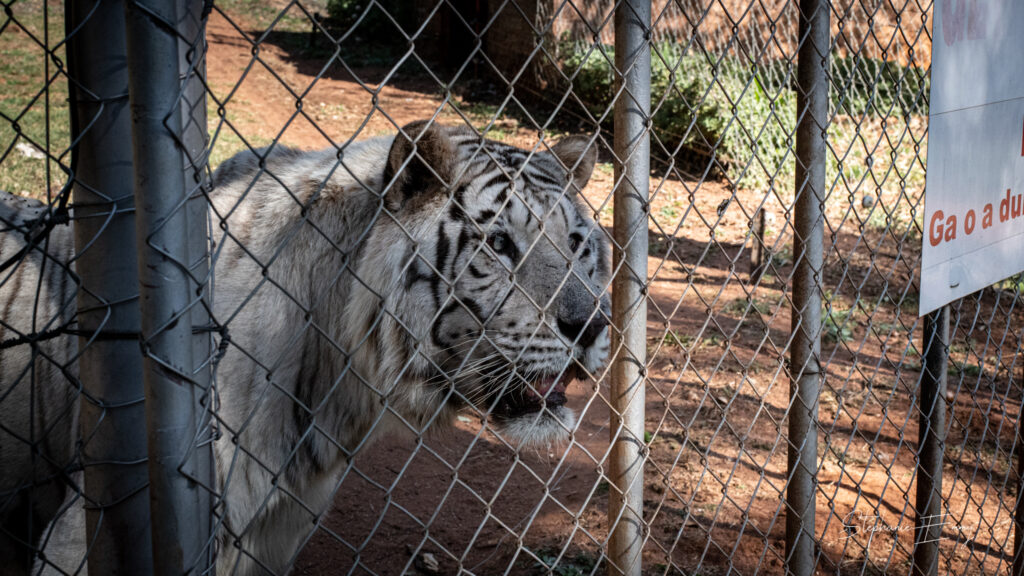
AI generated depictions of people interacting with predators hides a harsh reality not immediately evident in the cute, majestic, and “happy” interactions so often shown in AI imagery. The commercial captive predator industry has demonstrated severe welfare concerns in their daily operations, including early separation of cubs from their mothers; constant human handling for tourism activities, like bottle feeding, petting, and selfies; poor living conditions with little to no enrichment; and a life spent in captivity, or eventual death.
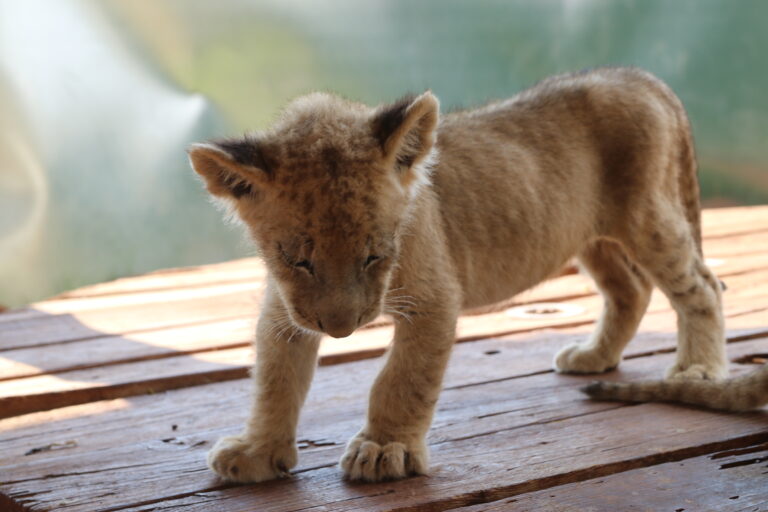
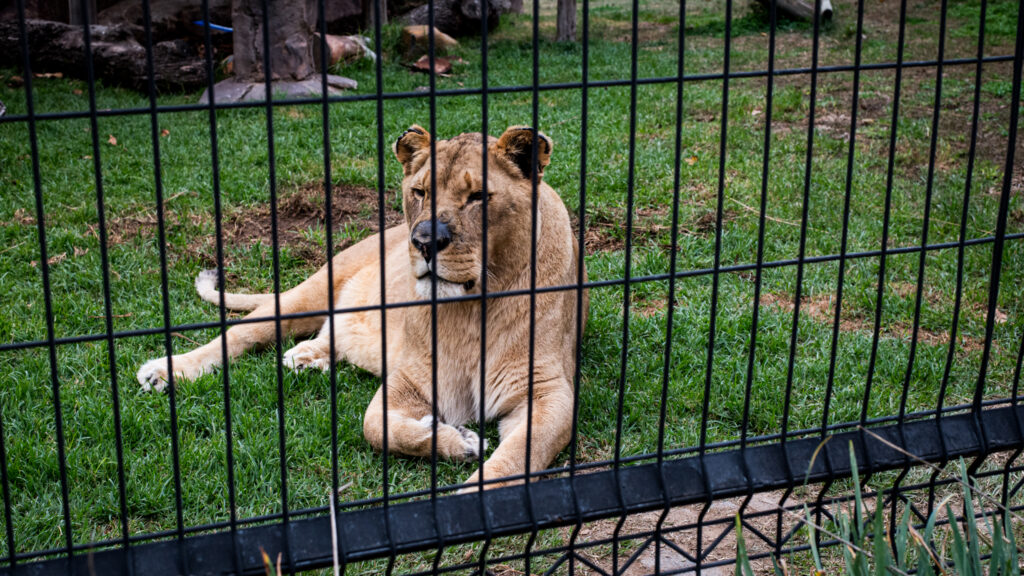
There’s something very serious missing from these AI generated images: not just overt cruelty, but a lifetime of welfare concerns in the name of profit. These images and videos don’t depict stress behaviours, like pacing, injuries, neglect, poor health, and the entire lifecycle of a predator kept in captivity.
Ultimately, it doesn’t just distort what we see, AI hides the cruelty behind those real-life close encounters.
Real world consequences for captive wildlife
These glamourised depictions of wildlife interactions normalise exploitative industries, like keeping predators for commercial gain. And since so many people will want to seek out experiences that appear as wonderful as those in AI content, AI will stimulate demand for unethical captive wildlife encounters, like cub petting, walking with lions, and taking selfies with animals living a life of captivity.
When expectations are shaped by unrealistic or curated content, genuine conservation efforts can start to feel underwhelming by comparison. Protected areas, ethical reserves, and responsible operators may struggle to meet expectations that were never realistic to begin with.
And that creates a dangerous disconnect.
Because real conservation isn’t designed for entertainment. It exists for ecosystems to function, for species to survive, and for biodiversity to be protected for the long-term benefit of people and nature.
In the world of reality, wildlife doesn’t appear on demand, it takes time and effort. When wildlife appears, it may be far away, the wrong angle, or time of day. It is hardly ever the picture perfect moment. This can encourage tourists to seek greater thrills at predator parks if their experiences of animals in the wild no longer live up to unrealistic expectations.
Lions and other predators are already heavily exploited by South Africa’s captive industry. By using and promoting AI imagery, we risk reinforcing fake ideas of predators being docile and welcoming human interaction. This directly undermines the vital work of those looking to improve the lives of wild animals and bring exploitation to an end. We are already seeing regular footage appearing online of people getting out of their vehicles in national parks and putting themselves and others in dangerous situations.
With AI imagery masking the cruelty of captivity, we risk ignoring the reality faced by thousands of predators while in search of an expectation that actually cannot be met.
Where Responsibility Really Lies
It’s easy to place responsibility on tourists alone, but in reality, it’s far broader than that. Content creators, platforms, tourism operators, and audiences all play a role in shaping what is seen as acceptable.
Sharing unrealistic or misleading wildlife content, even unintentionally, contributes to a narrative that prioritises direct access to wildlife over their welfare. And in a digital space where content spreads so quickly, even small actions can have far-reaching consequences.
Content creators are often drawn to moments that feel extraordinary. But it’s worth asking what message it is sending out, and what it might be encouraging others to seek out.
Changing the Direction of the Narrative
Breaking this cycle requires more than awareness, it requires a shift in what we choose to value. It means recognising that distance is not a limitation, but a sign of respect. That unpredictability is not a flaw, but a defining part of the wild. By fully embracing wild experiences over captive ones, we prioritise animal welfare over direct access, and ethics over entertainment.
By supporting ethical operators, questioning unrealistic content, and choosing not to engage with exploitative imagery, we begin to reshape the demand that drives these industries.
By actively choosing to value authenticity over perfection, and welfare over experience, we have the opportunity to shift the notion that wild animals exist for our entertainment. Because ultimately, the future of wildlife does not depend on how close we can get.
It depends on how willing we are to let them remain wild.